Yes, preschoolers can learn Mandarin and Spanish at the same time when each language is tied to consistent people, routines, songs, stories, and classroom context. Young children do not need grammar lessons first; they need meaningful daily exposure. At Beibei Amigos in Phoenix, Mandarin and Spanish are introduced through immersion, so children hear and use both languages naturally during the school day.
For many parents, the concern is not whether early language learning is valuable. The concern is whether two languages at once will feel like too much. In a thoughtful preschool environment, the answer is no. Children are not asked to sit at a desk and memorize two vocabulary lists. They are invited into a language-rich school day where words have purpose, warmth, movement, and repetition.
Why Preschool Is a Strong Window for Language Exposure
Preschoolers are built for language learning. They listen closely, copy sounds, watch faces, connect words to gestures, and repeat what they hear during play. That is why the early childhood years are such a powerful time to introduce more than one language.
Adults often think of Mandarin and Spanish as subjects. Children experience them differently. To a young child, a new language is connected to the teacher who sings a song, the friend who says hello, the hands-on work on the table, or the classroom routine that happens every day.
This matters because language learning is not only about words. It is about attention, memory, listening, confidence, and social connection. A child who hears Mandarin during morning greeting and Spanish during a song is learning how language belongs to real people and real moments.
Consistency Matters More Than Worksheets
The strongest early language programs are not built around flashcards alone. They are built around consistency. A child needs to hear the same phrases in familiar moments until those phrases begin to make sense.
For example, children may hear Mandarin while counting materials, naming colors, or following a classroom direction. They may hear Spanish during songs, stories, greetings, or practical classroom routines. Over time, those repeated moments create understanding.
This is why a Mandarin and Spanish preschool should feel natural when you visit. The teachers should not have to stop the school day to “do language.” Language should already be part of the day.
At Beibei Amigos, that is the goal. Mandarin and Spanish are not treated as occasional extras. They are woven into the school rhythm so children can connect language to action, relationship, and purpose.
Will Two Languages Confuse My Child?
It is normal for young multilingual children to mix languages sometimes. A child may use an English word in a Spanish sentence, answer a Mandarin phrase with a gesture, or choose the word that comes most easily in the moment. That is not confusion. It is part of how multilingual language systems grow.
Children sort language through context. They notice who speaks which language, when certain songs happen, what words belong to routines, and how adults respond. With enough consistency, they begin to understand that different words can point to the same idea.
A child may know that “agua,” “water,” and a Mandarin classroom phrase all connect to the same real thing. That flexibility is a strength. It shows the brain is building connections across sounds, meaning, people, and setting.
Parents should look for progress in stages:
- First, the child watches and listens.
- Then, the child follows familiar directions.
- Then, the child joins songs, gestures, or repeated phrases.
- Later, the child begins using words and short phrases more confidently.
Speech may come after comprehension. That is normal. The quiet listening stage is still learning.
What Mandarin and Spanish Exposure Looks Like in the Classroom
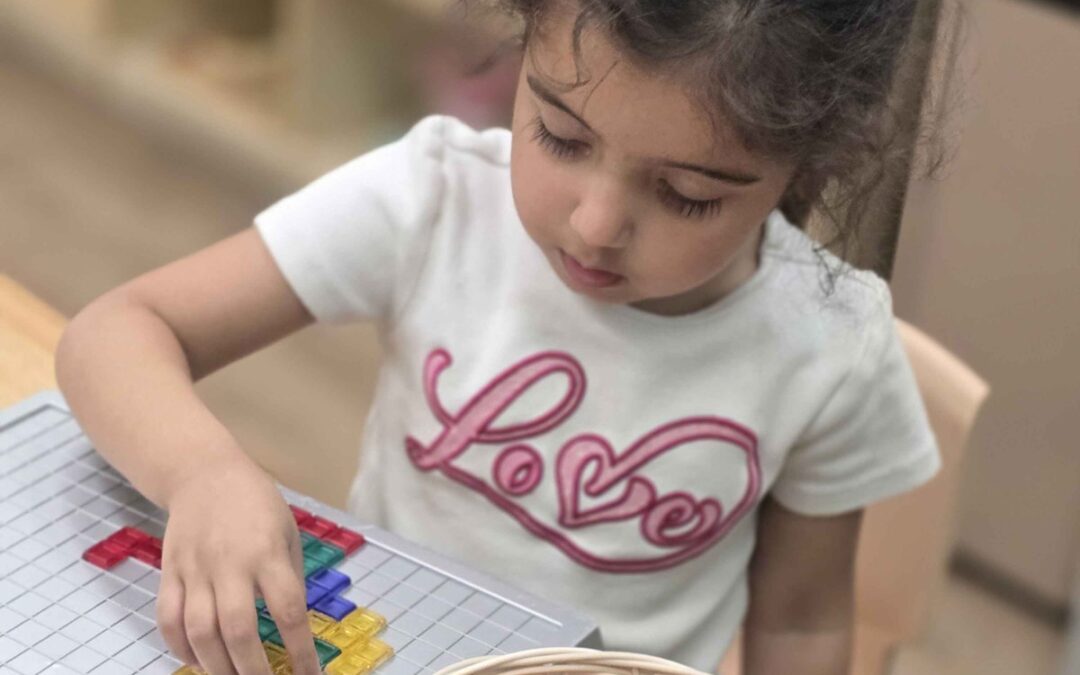
A strong immersion classroom does not need to feel formal or pressured. In fact, the best moments often look simple from the outside.
You might see children:
- Singing a Mandarin or Spanish song with hand motions
- Greeting a teacher in another language
- Counting classroom materials
- Listening to a story with picture support
- Repeating a familiar phrase during cleanup
- Naming colors, shapes, foods, or animals
- Using language during art, music, movement, or practical work
- Connecting holidays, food, and stories to culture
These moments matter because they give language a place to live. Children are not learning words in isolation. They are learning words that belong to the school day.
Do Children Need English First?
Children do not need to master English before they can benefit from Mandarin or Spanish exposure. Young children can grow multiple language systems at the same time, especially when adults provide warmth, repetition, visuals, songs, gestures, and patient support.
That does not mean English is ignored. A good preschool still supports communication, early literacy, social confidence, vocabulary, storytelling, and readiness for kindergarten. The difference is that the child is also hearing other languages during the same important developmental window.
For Phoenix families, this is one of the reasons Beibei Amigos is such a meaningful option. Children can build school readiness while also developing comfort with Mandarin and Spanish through Beibei’s preschool programs.
What Parents Should Look for on a Bilingual Preschool Tour
If you are comparing bilingual or dual language preschool options, listen carefully during the tour. The school should be able to explain how language is used during the day. You can also compare this with Beibei’s guide to Mandarin immersion preschool in Phoenix and the school’s Spanish immersion preschool near Arcadia resource.
Ask questions like:
- Who speaks Mandarin and Spanish with the children?
- Are the teachers fluent or native speakers?
- How often do children hear each language?
- What happens if my child does not speak either language at home?
- How do teachers support shy or hesitant children?
- Do children learn through songs, stories, routines, and hands-on work?
- How will I know my child is making progress?
You do not need a promise of instant fluency. In fact, be careful with any school that promises too much too quickly. Early immersion is about steady exposure, growing comprehension, and joyful confidence over time.
The best tour answer is one you can see for yourself. Watch how teachers use language. Watch how children respond. Notice whether the room feels warm, calm, and intentional.
How Beibei Supports Mandarin and Spanish Without Pressure
Beibei Amigos was built around early language exposure. Families choose Beibei because they want their children to experience Mandarin and Spanish while the brain is still highly receptive, and because they want that experience to happen in a real preschool community. For parents comparing investment and fit, Beibei also maintains a parent guide to Mandarin immersion preschool cost in Phoenix.
The goal is not to pressure children into performance. The goal is to make language feel familiar. Children hear Mandarin and Spanish through teachers, songs, stories, classroom routines, art, culture, and daily interaction.
That kind of repetition builds trust. A child may not speak much at first, but they are listening. They are mapping sounds to meaning. They are learning that language is a bridge to people.
For parents, that is the real gift. Your child is not only learning words. Your child is learning that the world is larger, more connected, and more welcoming than one language alone can show.
Schedule a Beibei Amigos Tour
If you want to see how Mandarin and Spanish immersion feels in a real preschool classroom, schedule a Beibei Amigos tour. You can watch the language routines, meet the teachers, and decide whether the environment fits your child.
Schedule a tour: https://www.beibeiamigos.com/tour/
Frequently Asked Questions
Will learning Mandarin and Spanish at the same time confuse my child?
No. Young children may mix languages sometimes, but that is a normal part of multilingual development. With consistent teachers, routines, songs, and classroom context, children learn when and how each language is used.
What age should my child start Mandarin or Spanish immersion?
The preschool years are an excellent time to begin because young children learn through sound, movement, repetition, and relationship. They do not need formal grammar lessons before meaningful language exposure begins.
Do preschoolers need to speak English first?
No. Preschoolers can build English, Mandarin, and Spanish exposure at the same time when the classroom supports communication, early literacy, social confidence, and patient repetition.
How much language exposure do young children need?
Young children benefit most from consistent daily exposure. Short, meaningful language moments throughout the school day are more powerful than occasional isolated vocabulary practice.
What should I ask on a bilingual preschool tour?
Ask who speaks each language, how often children hear Mandarin and Spanish, what happens if your child is new to both languages, and how teachers use songs, stories, routines, and hands-on work to build understanding.