by sean | Oct 20, 2024 | Blog
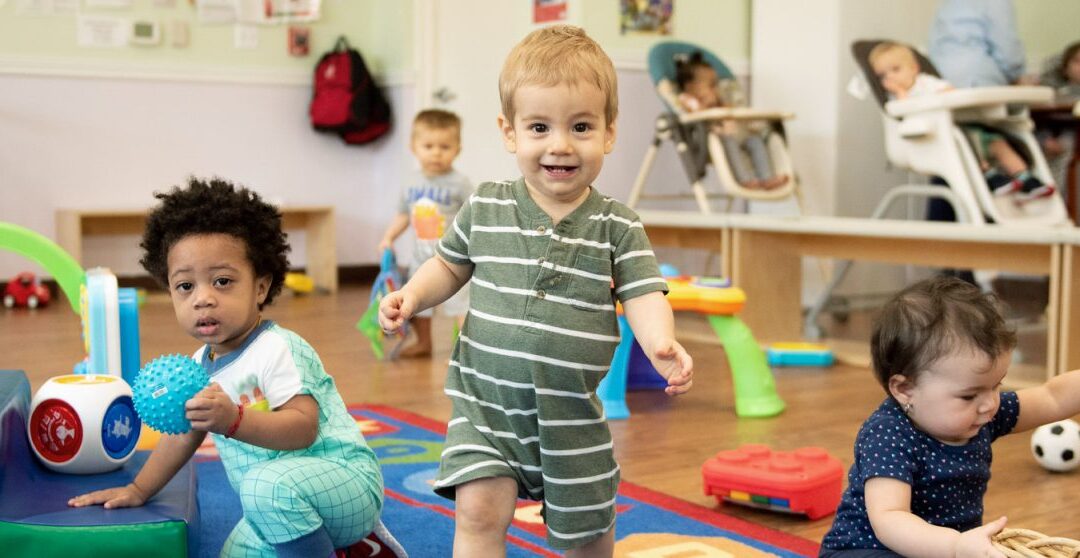
As parents, one of the most significant decisions we face is how to ensure our children receive the best possible start in life. The early years are critical for development, and the choices we make during this time can profoundly impact our children’s growth...
by sean | Sep 24, 2024 | Blog
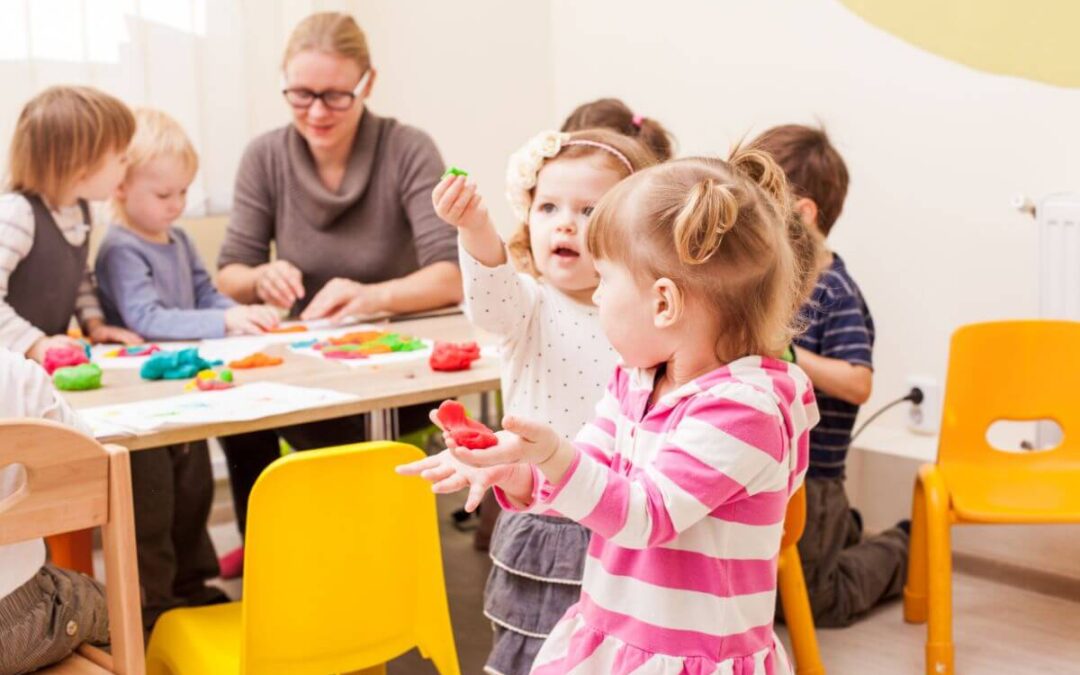
Transitioning your toddler to daycare can be a big milestone for both parents and children. It can bring excitement, nervousness, and a range of emotions as you prepare to leave your little one in the care of others. At BeiBei Amigos Preschool, we understand the...
by sean | Sep 10, 2024 | Blog
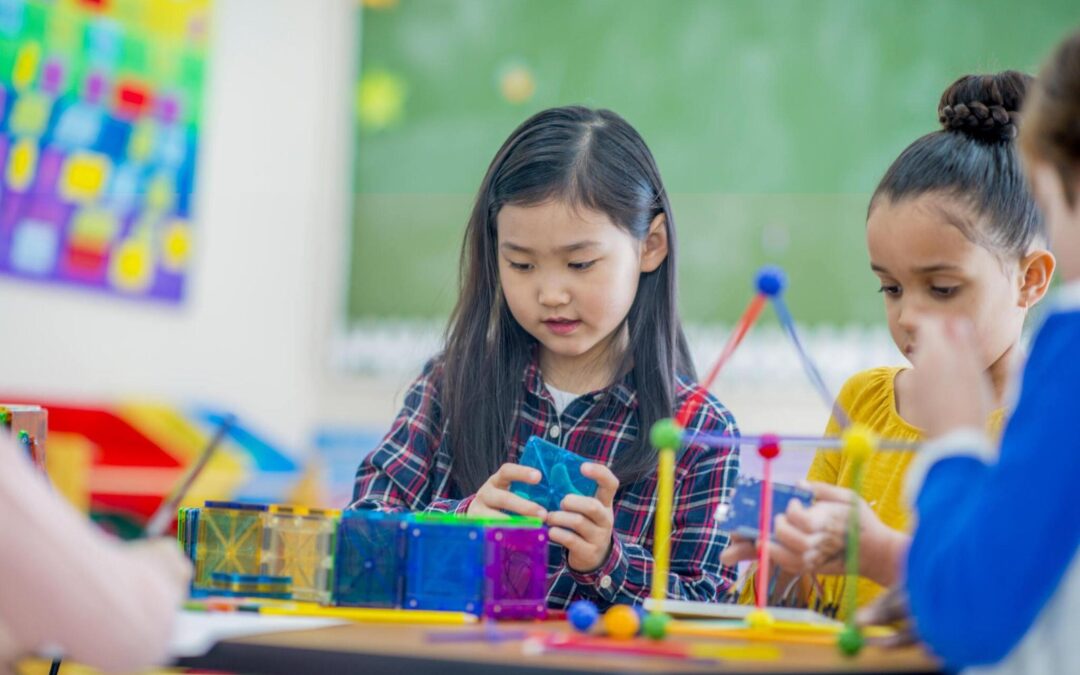
As a parent, finding the right daycare for your child is a critical decision. At Beibei Amigos Preschool in Phoenix, we strive to provide a balanced environment where learning and fun go hand in hand. A well-rounded childcare experience is essential for children’s...
by Luciano Openclaw | Aug 23, 2024 | Blog
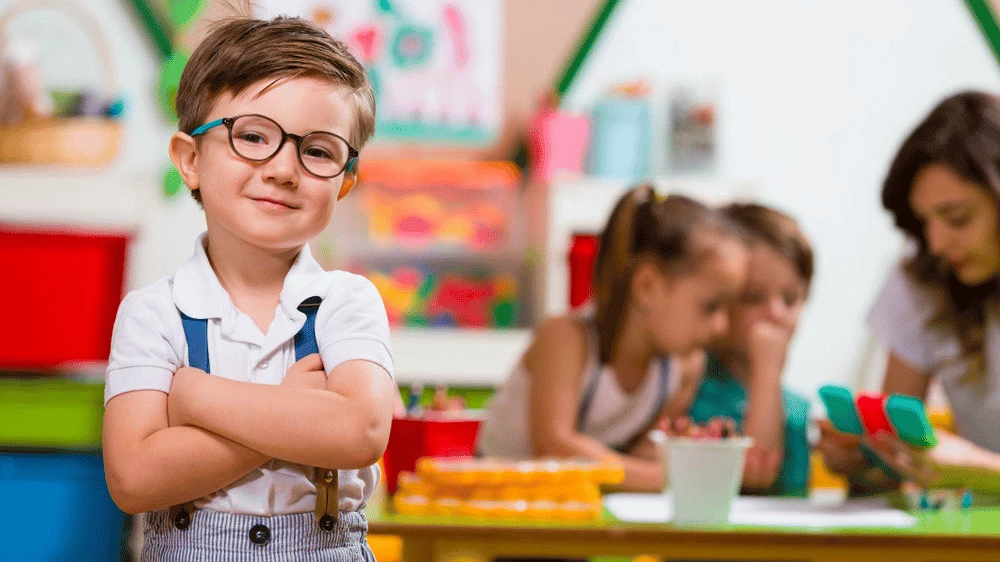
Beibei Amigos Language Preschool teaches essential life skills—self-care, communication, problem-solving, emotional regulation, and social competence—integrated directly into Spanish and Mandarin immersion activities. Children ages 1–5 develop independence through...

by Luciano Openclaw | Aug 16, 2024 | Blog
Pretend play is one of the most powerful drivers of preschool development — it builds cognitive flexibility, language skills, empathy, and problem-solving at once. Children ages 18 months to 6 years who engage in regular imaginative play develop stronger school...

by Luciano Openclaw | Jul 26, 2024 | Blog
Play-based learning is an educational approach that combines play and learning in early childhood education. This method emphasizes hands-on exploration, curiosity, and discovery, integrating play as a central component of the educational experience. Children engage...