Introduction
Early childhood education shapes not only how children learn but also how they connect with the world. In a diverse and globally connected society, bilingual and trilingual learning experiences have become essential tools for fostering communication and cultural awareness. Spanish Montessori programs uniquely combine the Montessori philosophy with immersive language learning, helping children develop strong communication skills while embracing cultural diversity.
Families exploring Montessori schools in Phoenix AZ are increasingly drawn to programs that integrate Spanish or Mandarin language immersion with Montessori practices. Schools such as Beibei Amigos provide a learning environment where children can build independence, creativity, and cross-cultural understanding from an early age.
In this article, we will explore how Spanish Montessori education nurtures communication, culture, and lifelong skills for children in Phoenix, Arizona. We will also look at how Montessori daycare and preschools are shaping future generations by encouraging curiosity, problem-solving, and compassion. For families considering Montessori Phoenix Arizona options, understanding the unique benefits of language immersion can help make informed educational choices that last well beyond preschool years.
Why Montessori Education Stands Out
Core Principles of Montessori
The Montessori method emphasizes independence, hands-on learning, and individualized instruction. Unlike traditional classrooms where a single lesson is delivered to an entire group, Montessori educators observe each child’s interests and guide them with carefully designed materials.
Key aspects include:
- Child-centered learning: Children choose activities based on their curiosity.
- Prepared environment: Classrooms are designed to promote exploration and autonomy.
- Respect for individuality: Teachers foster intrinsic motivation and independence.
This approach naturally encourages children to build confidence and self-discipline while developing skills at their own pace. Instead of being restricted to rigid lesson plans, children can explore math, science, and language in a way that feels meaningful to them. For example, a child interested in nature might study plant life in both English and Spanish, strengthening their vocabulary and curiosity simultaneously. Families who choose Montessori preschools in Phoenix often to notice that their children show a stronger love of learning because they feel empowered to make choices about their education.
How Montessori Supports Language Learning
The Montessori environment is naturally suited for language acquisition. Through practical life activities, storytelling, songs, and conversation, children experience language in a real-world context. When combined with immersion in a second or third language, such as Spanish or Mandarin, Montessori education provides children with a unique linguistic advantage.
In bilingual and trilingual Montessori settings, children don’t memorize word lists; instead, they absorb language while cooking, playing, or engaging in art. This natural approach helps them develop listening and speaking skills without pressure. Teachers use consistent, everyday vocabulary, encouraging repetition and comprehension. Over time, children begin using Spanish or Mandarin independently in conversation. This natural progression reflects the Montessori belief that children learn best when knowledge is connected to real-life experiences. For families searching for Montessori Phoenix Arizona schools, language immersion is one of the most powerful benefits.
Spanish Montessori: Building Bilingual Foundations
The Power of Language Immersion
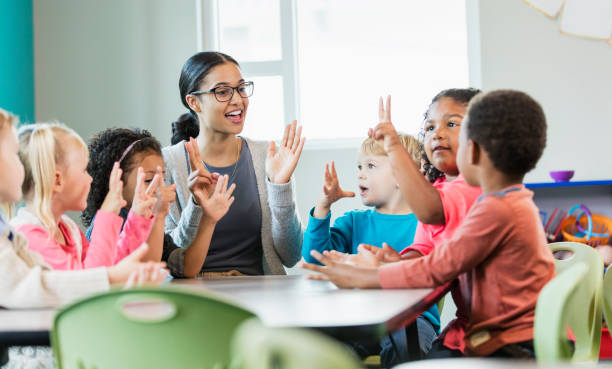
In Spanish Montessori classrooms, children are surrounded by Spanish through songs, stories, conversations, and cultural activities. Instead of learning vocabulary lists, they acquire the language organically, much like they learned their first language at home.
Research shows that immersion in early childhood helps children:
- Develop native-like pronunciation.
- Strengthen problem-solving and multitasking abilities.
- Improve memory and cognitive flexibility.
- Gain cultural empathy and awareness.
When language learning is woven into daily routines, children develop bilingual skills almost effortlessly. For example, snack time becomes a language lesson when teachers guide children in Spanish phrases like “¿Quieres agua?” or “Gracias.” This consistency strengthens communication skills in natural settings. Parents often notice that children bring home new vocabulary and use it in daily conversations, showing how quickly immersion builds fluency. For families considering Montessori schools in Phoenix AZ, Spanish immersion provides an invaluable tool for preparing children for a global future.
Why Spanish?
Spanish is the second most spoken language in the United States, making it a practical choice for bilingual education. In multicultural communities like Montessori Phoenix Arizona, Spanish fluency connects children to both local and global communities.
By attending Montessori preschools in Phoenix that offer Spanish immersion, children gain a lifelong skill that opens doors to future opportunities in academics, travel, and careers. Spanish also helps strengthen connections with local communities in Arizona, where bilingualism is a growing asset. Beyond communication, learning Spanish helps children appreciate Hispanic traditions, foods, and music, enriching their worldview. This cultural literacy prepares them for a more inclusive perspective in school and beyond. Parents often find that Spanish immersion complements family values by teaching respect and curiosity about other cultures. For children, it feels like play, but it becomes the foundation for bilingual fluency.
Integrating Mandarin and Spanish in Montessori
Many families seek programs that offer more than one language. Schools like Beibei Amigos combine Spanish Montessori with Montessori Mandarin, giving children the opportunity to acquire two world languages during their most formative years.
Benefits of a dual-language Montessori program:
- Builds cross-cultural understanding.
- Enhances executive function and cognitive growth.
- Encourages adaptability and global awareness.
- Strengthens academic readiness for elementary school and beyond.
Integrating both Spanish and Mandarin allows children to expand their communication skills in powerful ways. Mandarin, with its tonal sounds and characters, challenges the brain differently from Spanish. Learning two languages side by side in a Montessori setting enhances memory and boosts creativity. For example, children may sing a song in Spanish during circle time, then explore Mandarin vocabulary during a story. This rich exposure encourages flexible thinking and helps children become more comfortable with diversity. Families choosing Montessori daycare Phoenix programs often find that their children surprise them with the ease at which they move between languages.
Montessori Daycare in Phoenix: Early Start, Lifelong Impact
Language Learning in the Early Years
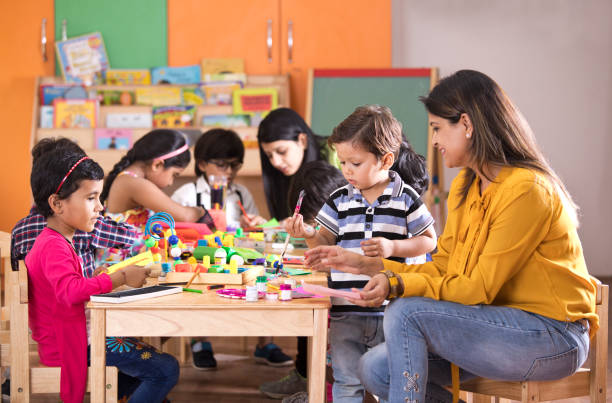
Montessori daycare Phoenix programs introduce children as young as toddlers to Spanish and Mandarin through playful, interactive activities. At this stage, children are naturally receptive to multiple languages, absorbing vocabulary and sentence structures effortlessly.
Early exposure helps them:
- Build strong communication skills.
- Associate language learning with joy and play.
- Develop an inclusive worldview by engaging with multiple cultures.
These daycare programs focus on nurturing curiosity, social development, and creativity alongside language learning. A child might spend the morning stacking Montessori blocks while listening to Spanish songs and then participate in a group activity where teachers use Mandarin vocabulary. Over time, these consistent interactions create familiarity with multiple languages. Research also shows that children exposed to a second language early on are better at problem-solving and multitasking later in life. Choosing a bilingual Montessori daycare in Phoenix gives children both educational and cognitive advantages.
Social and Emotional Growth
Spanish Montessori education is not only about language but also about fostering respect, empathy, and self-confidence. Children learn to collaborate, respect differences, and appreciate diverse traditions.
Montessori classrooms emphasize grace and courtesy lessons, where children practice polite greetings, kind words, and respectful communication. When taught in both Spanish and English, these lessons reinforce cultural awareness and empathy. For instance, a child may learn to say “please” and “thank you” in both languages, giving them a wider lens for respectful interactions.
Emotional growth is also supported through mixed-age classrooms, where older children model kindness and leadership for younger ones. These relationships help children feel secure and valued, which strengthens their confidence in communication. Families often find that their children carry these qualities home, demonstrating patience, care, and respect in everyday life.
Spanish Montessori vs. Traditional Preschool
| Feature | Spanish Montessori | Traditional Preschool |
| Learning Approach | Child-led, hands-on | Teacher-directed |
| Language Exposure | Immersion in Spanish (and often Mandarin) | English only, occasional second language |
| Classroom Environment | Multi-age, independence-focused | Same-age, group instruction |
| Cultural Integration | Daily exposure to Hispanic culture | Limited cultural lessons |
| Long-Term Benefits | Bilingualism, critical thinking, adaptability | Basic academic readiness |
Montessori families often cite the flexibility of learning as the most noticeable difference compared to traditional preschools. Instead of worksheets, children use materials that encourage problem-solving and independence. The language immersion element gives them an additional advantage, as they can apply what they learn to real conversations at home and in the community. Traditional preschools, while effective for basic readiness, do not always provide the same depth of cultural learning or linguistic opportunities. For parents in Phoenix, choosing a Spanish Montessori program can mean a more enriched and holistic educational experience for their child.
Cultural Enrichment Through Spanish Montessori
Spanish Montessori programs in Phoenix go beyond language instruction by integrating Hispanic culture into daily learning. Children engage with traditions, music, art, and celebrations from Spanish-speaking countries, creating a deep sense of cultural appreciation.
For example:
- Celebrating cultural holidays like Día de los Niños.
- Reading folktales in Spanish.
- Cooking simple recipes from Latin American traditions.
- Singing traditional songs and learning cultural dances.
This cultural immersion fosters empathy, curiosity, and respect for diversity, qualities that benefit children throughout their lives. When children hear stories from different countries or learn about unique customs, they begin to appreciate the variety of human experiences. They also gain pride in their own heritage while respecting others. Schools such as Beibei Amigos Montessori emphasize culture alongside language, ensuring that children are not just learning Spanish words but also the values, traditions, and history that make the language meaningful. Parents often find this cultural component adds richness to their child’s education, preparing them for a global perspective.
Why Choose Montessori Schools in Phoenix AZ?
Phoenix is home to a growing number of Montessori preschools that integrate bilingual learning. Families searching for Montessori schools Phoenix AZ will find options like Beibei Amigos Montessori that combine Spanish and Mandarin immersion with Montessori principles.
Parents choose these programs because they offer:
- A nurturing and respectful environment.
- Individualized learning experiences.
- Bilingual and trilingual opportunities.
- A strong foundation for academic and personal growth.
These schools provide more than academic skills—they shape well-rounded individuals ready to face future challenges. For example, bilingual students often perform better in reading comprehension and show higher adaptability in new situations. Families also value the sense of community found in Montessori Phoenix Arizona classrooms, where collaboration and respect are key. By choosing Montessori, parents are giving their children a balance of independence, language fluency, and cultural awareness. This holistic foundation supports not only school readiness but also personal growth, ensuring children thrive in both local and global communities.
Frequently Asked Questions
Conclusion
In conclusion, Spanish Montessori education in Phoenix offers children a powerful foundation for lifelong learning, communication, and cultural understanding. By blending Montessori principles with immersive language experiences, programs like Beibei Amigos help children grow into confident, curious, and compassionate learners. From early exposure to Spanish and Mandarin to hands-on, child-led activities, children develop cognitive flexibility, empathy, and independence. This holistic approach not only prepares them for academic success but also nurtures a deep appreciation for diversity. For families seeking Montessori schools in Phoenix AZ, bilingual education provides the key to raising globally minded, adaptable, and well-rounded individuals.