Choosing the best preschool in Phoenix involves comparing Montessori and traditional programs based on three key factors: teaching philosophy, language immersion options, and staff credentials. Parents should prioritize schools that offer low student-to-teacher ratios, mixed-age classrooms, and hands-on learning environments that foster independence, kindergarten readiness, and a lifelong love of learning for your child.
Selecting the right preschool is one of the most important decisions a parent can make for their child’s early development and overall well-being. Early education lays the foundation for a child’s social, emotional, cognitive, and creative growth. In Phoenix, parents have access to a variety of preschool options, including traditional programs and Montessori preschools that offer unique approaches to learning. Understanding these differences, carefully evaluating the curriculum, and assessing the learning environment can help families make a confident and informed choice. This guide provides a comprehensive checklist for parents exploring preschool options in Phoenix.
Understanding Preschool Options in Phoenix
Preschools in Phoenix vary widely in teaching philosophy, learning approach, curriculum structure, classroom dynamics, and enrichment programs offered. Choosing the right type of preschool can influence a child’s early academic success and social development.
Traditional Preschool Programs
Traditional preschools in Phoenix usually follow a structured curriculum focused on early literacy, numeracy, and social-emotional skills. They often have fixed daily schedules, group activities, and teacher-directed lessons designed to prepare children for kindergarten. Many parents appreciate traditional preschools for their clear routine, emphasis on foundational academics, and structured environment that fosters social cooperation among same-age peers.
Montessori Preschools
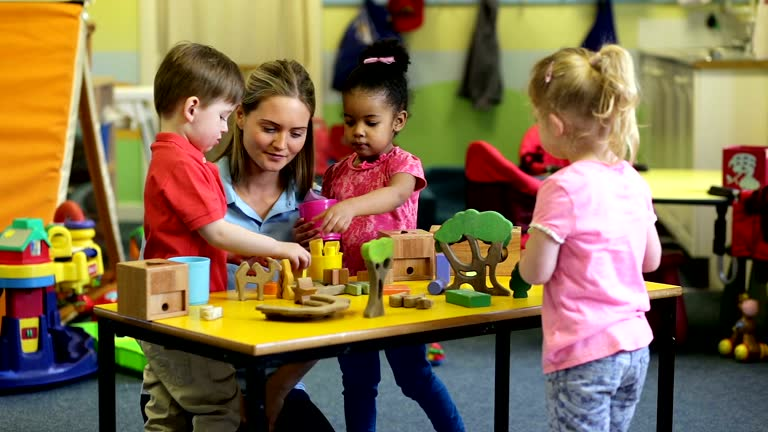
Montessori preschools in Phoenix, including Beibei Amigos, emphasize self-directed learning, hands-on activities, and mixed-age classrooms. Teachers act as guides rather than direct instructors, supporting children in exploring concepts at their own pace. This approach fosters independence, problem-solving skills, creativity, and a lifelong love of learning, offering a more flexible, child-centered alternative to traditional preschools.
Key Factors When Choosing a Preschool in Phoenix
When evaluating preschools, parents should consider several important factors beyond curriculum, including staff quality, classroom environment, and overall philosophy.
1. Accreditation and Licensing
Ensuring that a preschool is licensed and accredited guarantees adherence to state safety regulations, health standards, and educational best practices. In Phoenix, both traditional and Montessori preschools must comply with Arizona Department of Health Services requirements.
2. Teaching Philosophy and Curriculum
Parents should carefully review the preschool’s teaching philosophy to ensure it aligns with their child’s learning style. Montessori preschools emphasize experiential learning, practical life skills, and self-paced activities, while traditional programs prioritize teacher-directed lessons, group instruction, and early academic readiness.
3. Teacher Qualifications
Highly qualified teachers with credentials in early childhood education or Montessori training contribute significantly to a child’s learning experience. Parents should inquire about teacher-to-student ratios, educational background, ongoing professional development, and staff experience.
4. Class Size and Student-Teacher Ratio
Smaller class sizes allow for more individual attention, personalized instruction, and tailored guidance. Montessori preschools in Phoenix typically maintain low student-to-teacher ratios, which help children explore their environment independently while receiving the support they need.
5. Environment and Safety
A safe, clean, and stimulating environment is essential for children to learn effectively. Parents should visit classrooms, observe daily routines, and check for safety measures, including secure entrances, childproof facilities, and emergency procedures.
6. Enrichment Programs and Activities
Enrichment programs such as music, art, foreign languages, STEM activities, and cultural exposure can enhance children’s overall learning experiences.
Frequently Asked Questions
What is the difference between a Montessori preschool and a traditional preschool in Phoenix?
Montessori preschools focus on child-led learning, hands-on activities, and mixed-age classrooms. Traditional preschools provide structured, teacher-led lessons with same-age groups, emphasizing early academics and social skills development.
How do I know if a preschool is licensed and accredited?
Check the Arizona Department of Health Services website or request the school’s accreditation and licensing documents. Licensed schools meet state health, safety, and educational standards, ensuring quality early childhood education.
How important is class size in preschool?
Smaller classes allow more individualized attention, fostering tailored instruction and strong teacher-student relationships. Montessori programs often maintain low student-to-teacher ratios to support independence while providing guidance when needed.
What should I look for during a preschool tour?
Observe teacher-student interactions, classroom layout, available learning materials, safety procedures, and student engagement. This helps evaluate the teaching approach, learning environment, and overall fit for your child.
How can I help my child adjust to preschool?
Gradual introduction, consistent routines, encouraging independence, reinforcing social skills, and maintaining open communication with teachers help children transition smoothly and feel confident in their new environment.